Managing household and personal expenses has always been a recurring responsibility. From electricity and water charges to internet and service-related payments, keeping track of due dates and payment records can become time-consuming. The introduction of digital systems has gradually simplified this process. Today, online bill payment has become a practical solution for individuals who prefer structured and timely financial management.
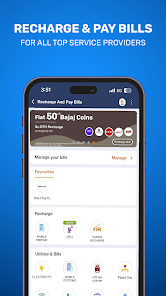
The ability to pay utility bills online has changed how people interact with essential services. Instead of visiting physical offices or relying on manual reminders, users can now handle bill payment through digital platforms that offer accessibility, consistency, and better financial oversight. This shift is not about speed alone, but about improving accuracy and long-term expense organization.
Understanding Online Bill Payment
Online bill payment refers to the digital process of settling recurring or one-time bills using internet-enabled systems. These platforms allow users to view charges, verify amounts, and complete bill payment without physical paperwork or in-person visits.
How Digital Bill Payment Works
The process typically follows a few standard steps:
- Accessing a secure digital platform
- Selecting the category of expense
- Reviewing outstanding dues
- Completing the bill payment through an available payment method
Once completed, confirmation records are generated and stored digitally. This structure helps reduce errors and eliminates the need for maintaining paper receipts.
The Shift From Manual to Digital Payments
Before digital systems became common, paying bills involved physical effort. Individuals had to stand in queues, handle cash transactions, and remember multiple due dates. Delays often resulted in late fees or service interruptions.
The ability to pay utility bills online reduces these issues by centralizing payment activity. Bills can be tracked in one place, making it easier to manage monthly responsibilities. This transition has been driven by the need for accuracy, time efficiency, and consistent record keeping rather than convenience alone.
Benefits of Online Bill Payment
Improved Time Management
One of the most noticeable advantages of online bill payment is time efficiency. Users no longer need to adjust their schedules around payment centers. Payments can be completed at any time, allowing better control over daily routines.
Better Financial Organization
Digital systems store payment history automatically. This allows users to review previous bill payment records, compare monthly expenses, and plan budgets more effectively. For individuals managing multiple utilities, this level of organization reduces confusion.
Reduced Errors and Missed Payments
Manual payments often involve human error, such as incorrect amounts or forgotten due dates. When users pay utility bills online, automated reminders and real-time updates help prevent such issues. Accurate billing information is displayed clearly before confirmation.
Online Bill Payment and Financial Discipline
Consistent bill payment plays an important role in maintaining financial stability. Digital platforms encourage discipline by making payment processes predictable and transparent.
Scheduled Payments and Reminders
Many systems offer scheduling features that allow users to plan bill payment in advance. This helps ensure payments are completed on time without constant manual tracking. Regular reminders support better expense planning.
Transparent Expense Tracking
Online bill payment systems allow users to view itemized charges and payment history. This transparency supports informed decision-making and encourages responsible spending habits.
Security and Reliability in Digital Payments
Security remains a key concern when handling financial transactions. Modern bill payment platforms are designed with multiple layers of protection to ensure user data and payment details remain secure.
Data Protection Measures
Encryption and authentication processes protect sensitive information. When individuals pay utility bills online, their data is handled through secure channels that reduce the risk of unauthorized access.
Transaction Verification
Digital confirmations and reference numbers provide proof of bill payment. These records are useful for resolving disputes or verifying completed transactions.
Accessibility Across Devices
Another reason online bill payment has gained widespread adoption is its accessibility. Users can complete bill payment using various devices, including desktops, tablets, and mobile phones.
This flexibility allows individuals to manage payments while traveling or working remotely. The ability to pay utility bills online without location constraints supports modern lifestyles that rely heavily on digital access.
Environmental and Administrative Impact
Digital bill payment also reduces the need for paper-based documentation. Fewer printed bills and receipts contribute to lower paper usage and reduced administrative overhead.
Organizations benefit from streamlined billing processes, while users experience fewer physical documents to manage. This approach supports long-term efficiency without introducing complexity.
Common Challenges and Practical Solutions
While online bill payment offers many advantages, some users may face challenges such as unfamiliar interfaces or inconsistent internet access. These issues can be addressed through:
- Simple platform navigation
- Clear payment instructions
- Reliable customer support systems
As digital literacy improves, these challenges continue to decrease, making bill payment more accessible to a wider audience.
The Future of Bill Payment Systems
The evolution of online bill payment continues to focus on accuracy, accessibility, and user control. Future systems are likely to emphasize better expense categorization, enhanced reporting tools, and improved user interfaces.
The goal is not to add complexity but to make bill payment a seamless part of personal finance management. As more individuals adopt digital methods, expectations around transparency and reliability will continue to rise.
Conclusion
Online bill payment has redefined how individuals manage recurring expenses by offering structured, reliable, and accessible solutions. The ability to pay utility bills online supports better financial organization, reduces errors, and encourages consistent payment habits. Rather than relying on manual processes, users benefit from digital systems that provide clarity and control.
As bill payment continues to evolve, its role in everyday financial routines becomes increasingly important. By adopting online bill payment methods, individuals can simplify expense management while maintaining accuracy and accountability over time.